What is Titanium Dioxide (TiO₂)?
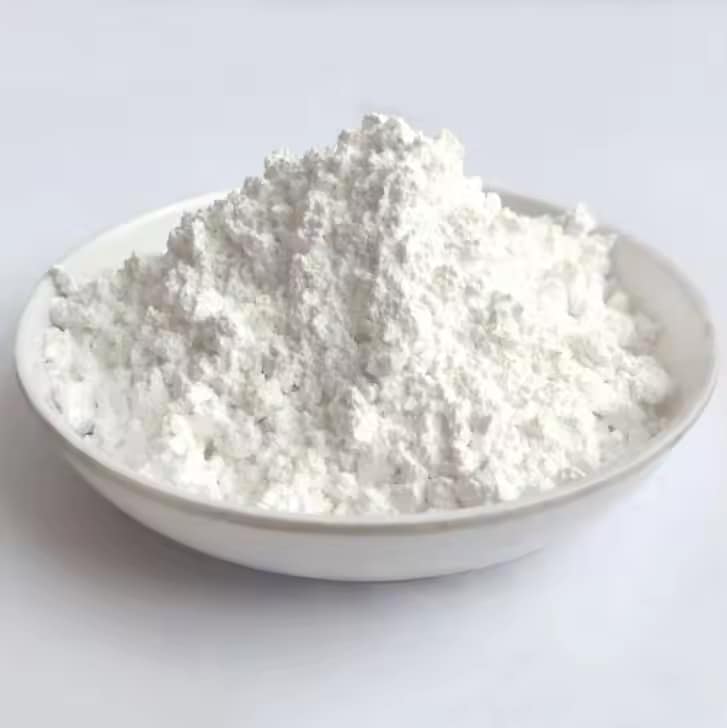
Titanium Dioxide (TiO₂) is a naturally occurring white pigment widely used in paints, coatings, plastics, inks, paper, construction materials, and cosmetics. Known for its exceptional opacity, brightness, whiteness, UV resistance, and durability, Titanium Dioxide is considered the world’s most important white pigment.
The two primary forms of Titanium Dioxide are Rutile and Anatase. Each offers unique performance characteristics for different industrial applications. Due to its ability to improve product appearance, durability, and performance, TiO₂ remains an essential raw material across global manufacturing industries.
Quick Facts About Titanium Dioxide
| Property | Details |
|---|
| Chemical Name | Titanium Dioxide |
| Chemical Formula | TiO₂ |
| Appearance | White Powder |
| Main Types | Rutile, Anatase |
| Key Benefits | Opacity, Brightness, UV Protection |
| Major Industries | Paints, Plastics, Inks, Paper, Construction |
| Global Demand | Growing Across Industrial Markets |
| Manufacturing Processes | Sulfate Process, Chloride Process |
Why Titanium Dioxide Matters in Modern Manufacturing
Titanium Dioxide plays a critical role in thousands of products used every day. Whether it is architectural paint protecting buildings, plastic packaging exposed to sunlight, or industrial coatings designed for harsh environments, TiO₂ improves product quality and longevity.
Its unique optical properties provide superior light scattering, making it the preferred choice for manufacturers seeking excellent whiteness and coverage.
Titanium Dioxide Market Outlook 2026
The global Titanium Dioxide market continues to grow due to increasing demand from:
- Infrastructure development
- Construction projects
- Automotive manufacturing
- Industrial coatings
- Plastic packaging
- Consumer goods production
Key market trends include:
- Sustainable manufacturing technologies
- High-performance chloride-process grades
- Environmentally responsible production methods
- Growth in specialty coatings and advanced materials
- Rising demand in Asia-Pacific markets
As industries continue to prioritize quality and durability, Titanium Dioxide remains one of the most valuable industrial pigments worldwide.
Key Benefits of Titanium Dioxide
Exceptional Opacity
Titanium Dioxide provides outstanding hiding power, allowing manufacturers to achieve excellent coverage with lower pigment loading.
Superior Brightness and Whiteness
Its high refractive index creates brilliant whiteness and color consistency across multiple applications.
UV Protection
TiO₂ absorbs and scatters ultraviolet radiation, helping protect products from degradation and weathering.
Enhanced Durability
Products formulated with Titanium Dioxide often demonstrate improved lifespan and resistance to environmental conditions.
Cost Efficiency
Due to its effectiveness, manufacturers can achieve superior performance while optimizing formulation costs.
Applications of Titanium Dioxide
Paints and Coatings
Titanium Dioxide is the most important pigment used in:
Decorative paints
Industrial coatings
Automotive coatings
Protective coatings
Benefits include opacity, weather resistance, gloss retention, and durability.
Plastics Industry
Manufacturers use TiO₂ to improve:
UV stability
Brightness
Color consistency
Product lifespan
Common applications include PVC, masterbatches, packaging materials, and engineering plastics.
Printing Inks
Titanium Dioxide improves print quality, brightness, and visual appearance.
Paper Industry
Paper manufacturers use TiO₂ to enhance:
Brightness
Opacity
Printability
Construction Materials
Titanium Dioxide is increasingly used in modern construction products requiring durability and weather resistance.
Cosmetics and Personal Care
TiO₂ is widely used in sunscreens and cosmetic formulations because of its UV-blocking properties.
Rutile vs Anatase Titanium Dioxide
One of the most frequently asked questions in the industry is whether Rutile or Anatase Titanium Dioxide is the better choice.
| Feature | Rutile TiO₂ | Anatase TiO₂ |
| Opacity | Excellent | Good |
| Brightness | High | Very High |
| UV Resistance | Excellent | Moderate |
| Weather Resistance | Excellent | Moderate |
| Outdoor Applications | Highly Recommended | Limited |
| Paints & Coatings | Excellent | Limited |
| Paper Applications | Good | Excellent |
| Cost | Higher | Lower |
Choose Rutile TiO₂ If:
- You manufacture paints and coatings
- Outdoor durability is important
- UV resistance is required
- Premium product performance is desired
Choose Anatase TiO₂ If:
- High brightness is the priority
- Paper applications are involved
- Cost-sensitive formulations are required
- Indoor applications are the primary focus
Sulfate Process vs Chloride Process
Titanium Dioxide is primarily manufactured using two processes.
| Feature | Sulfate Process | Chloride Process |
| Product Purity | Good | Higher |
| Consistency | Good | Excellent |
| Environmental Impact | Higher | Lower |
| Cost | Lower | Higher |
| End Applications | General Purpose | Premium Applications |
| Performance | Good | Superior |
Today, many high-performance industrial applications prefer chloride-process Titanium Dioxide due to its enhanced purity and consistency.
How to Choose the Right Titanium Dioxide Grade
Selecting the right grade depends on your application requirements.
For Paint Manufacturers
Recommended:
Rutile Grade
High opacity
Excellent weather resistance
For Plastic Manufacturers
Recommended:
Rutile Grade
UV protection
Long-term durability
For Ink Manufacturers
Recommended:
High-brightness grades
Excellent dispersion properties
For Paper Applications
Recommended:
Anatase Grade
Brightness enhancement
For Premium Industrial Coatings
Recommended:
Chloride Process Rutile TiO₂
Superior gloss and durability
Frequently Asked Questions (FAQs)
What is Titanium Dioxide used for?
Why is Titanium Dioxide called the world's most important white pigment?
Which is better: Rutile or Anatase Titanium Dioxide?
What industries use Titanium Dioxide the most?
Is Titanium Dioxide important for paint manufacturing?
What is the difference between Sulfate and Chloride Process TiO₂?
How do I choose the right Titanium Dioxide grade?
Why Industries Trust Neelgiri Chemicals Pvt. Ltd.
Neelgiri Chemicals Pvt. Ltd. is a trusted global chemical solutions company serving manufacturers across diverse industries.
We provide high-quality Titanium Dioxide solutions designed for:
- Paints & Coatings
- Plastics
- Inks
- Construction Materials
- Industrial Applications
Our commitment to quality, technical expertise, reliable sourcing, and customer support helps manufacturers achieve superior product performance and long-term value.
Website: https://neelgirichemicals.com
Tagline: Chemistry That Connects Industries. Excellence That Builds Trust.