India Chem 2026, the government’s flagship chemicals event, opened in Mumbai on 22 October 2026 with a big message: India wants its chemicals and petrochemicals industry to reach $300 billion by 2030 and $1 trillion by 2040. New chemical parks, state chemical policies and fresh investment were the main talking points.
For manufacturers of paints, inks, coatings, plastics and adhesives, this is not just policy news. It affects where your raw materials will come from, how much you depend on imports, and how prices may move over the next few years. Here is a simple summary and what it means for buyers.
What happened at India Chem 2026
According to a PIB-based report, the 14th edition of India Chem was inaugurated by Union Minister for Chemicals and Fertilizers J.P. Nadda at the Bombay Exhibition Centre, NESCO, Mumbai. It was organised by the Department of Chemicals and Petrochemicals with FICCI under the theme “Advantage Bharat: An Emerging Global Chemicals Hub”.
- More than 200 Indian and international exhibitors and over 8,000 business visitors.
- Japan was the partner country; Maharashtra, Gujarat, Odisha, Madhya Pradesh, Bihar, Andhra Pradesh and Uttar Pradesh were partner states.
- Delegations came from the US, Canada, UK, EU, South Korea and ASEAN.
The $1 trillion target and the BHAVYA Rasayan scheme
The industry is currently worth about $220 billion, as reported from the event. To grow it to $1 trillion, the government is focusing on new chemical parks and infrastructure.
- BHAVYA Rasayan scheme: the Union Cabinet has approved an outlay of ₹3,030 crore to build three dedicated chemical parks.
- Funding per park: central assistance of up to ₹1,000 crore, with at least ₹500 crore to be contributed by the state.
- Focus: better connectivity, integrated value chains and ease of doing business, along with India’s growing network of free trade agreements.
State policies: Maharashtra and Odisha
States are competing to attract chemical investment:
- Maharashtra will release a dedicated chemical industry policy in the first week of November, Chief Minister Devendra Fadnavis said at the event. The state has about 3,600 chemical units, contributes 19% of India’s chemical sector GVA and 17% of chemical exports, and plans a large chemical hub near Vadhavan Port in Palghar.
- Odisha pitched its ports and refinery base – Paradip, Dhamra and Gopalpur – including the Paradip PCPIR and the IOCL refinery and petrochemical complex, with priority for specialty chemicals, advanced polymers and green chemicals.
What it means for paint, ink and plastic manufacturers
New plants and parks take years to build, so prices will not change overnight. But the direction matters for anyone who buys raw materials regularly:
- More Indian supply over time. New capacity in petrochemicals, polymers and specialty chemicals can reduce dependence on imports for solvents, resins, additives and pigments.
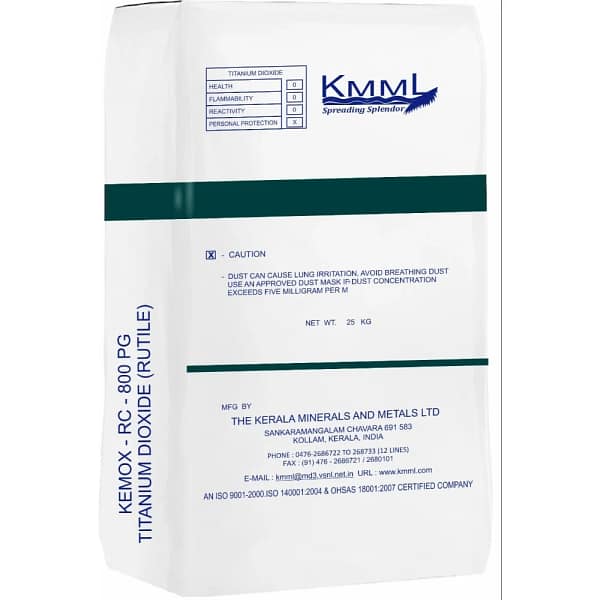
- Less exposure to import shocks. Recent events like the TiO₂ anti-dumping duty and freight swings show the risk of relying on one country for key materials.
- More choice of grades. As domestic producers grow, buyers will have more Indian grades to test alongside imported ones.
- Higher focus on quality and compliance. Government support usually comes with stronger standards, so documented quality (COA, TDS, consistent batches) will matter more.
5 practical steps for raw material buyers
- Map your import dependence. List which raw materials you import and from which country, so you know where a duty or supply problem could hurt.
- Test Indian alternatives. Keep at least one approved domestic grade for critical materials such as TiO₂, extenders and solvents.
- Ask for full documents. Insist on COA and TDS with every batch to keep quality steady as you add new sources.
- Watch state policies. Maharashtra’s policy in November and new parks may change where suppliers set up – and your freight costs.
- Work with a multi-brand supplier. A distributor who stocks both Indian and imported grades can help you switch quickly when the market changes.
How Neelgiri Chemicals can help
Neelgiri Chemicals supplies Indian and imported raw materials to paint, ink, coating, plastic and rubber manufacturers across India. Our range includes rutile titanium dioxide, calcium carbonate, industrial resins, industrial solvents, pigments and C5/C9 hydrocarbon resins. We can help you compare domestic and imported grades and build a reliable supply plan.
Frequently Asked Questions
What is India Chem 2026?
India Chem 2026 is the 14th edition of the government’s international chemicals and petrochemicals exhibition and conference, organised by the Department of Chemicals and Petrochemicals with FICCI in Mumbai in October 2026.
What is the target for India’s chemical industry?
The government projects the chemicals and petrochemicals industry to reach $300 billion by 2030 and $1 trillion by 2040, up from about $220 billion today.
What is the BHAVYA Rasayan scheme?
It is a ₹3,030 crore scheme to develop three dedicated chemical parks, with central assistance of up to ₹1,000 crore per park and at least ₹500 crore from the state.
Will raw material prices fall because of this?
Not immediately. New parks and plants take years to come up. Over time, more domestic capacity can improve availability and reduce dependence on imports, but prices will still follow crude oil, demand and global markets.
Want to build a stronger raw material supply plan? Call or WhatsApp us at +91 87961 61378 or send us an enquiry for grade advice and the latest prices.
Sources: PIB release via Mumbai Tribune (23 October 2026); Indian Chemical News (22 October 2026); IANS via Punjab Kesari (22 October 2026); Sambad English (22 October 2026); Bioplastics News (25 October 2026). This article is for general information only.